
How it was
-
1000–1100Around 1050, a motte-and-bailey castle was built in the marshy valley of the Aa: a wooden fortress on a hill surrounded by a moat. This allowed the Lord of Heeswijk to dominate his territory and provide a safe haven in times of war. The chunks of iron ore that served as the foundation can still be seen in the castle cellars.
-
11:00–12:00Gradually, the Duchy of Brabant began to take shape. The duke made Brussels his capital and brought an increasing number of castles, manors, and towns under his rule. Heeswijk Castle is located on the edge of his territory, close to the new city of ‘s-Hertogenbosch. By the end of the century, Almericus was the first lord of the castle whose name we know.
-
12:00–1:00 PMLady Agnes van Heeswijk marries the nobleman Walraven van Bentheim, thereby permanently uniting the Heeswijk and Dinther estates. Nobles can own multiple castles and estates at the same time, which gives them great power and wealth.
-
1:00–2:00 PMWars frequently broke out between the Dukes of Brabant and Gelderland. Gelderland soldiers would cross the Meuse River and plunder these regions. In 1371, 1372, and 1398, the people of Heeswijk took refuge within the castle walls, where they were safe. The castle was built with brick walls and towers, featuring a large gatehouse.
-
2:00–3:00 PMThe castle is purchased by Willem van der Aa. He and his descendants own several manors, including Moergestel, Schijndel, Polanen, and Asten. Heeswijk Castle is a valuable asset for a Brabant nobleman. Peat barges from the Peel region pass by the castle on the River Aa on their way to the city of Den Bosch.
-
1500–1600The castle is owned by the prominent noble families of Van Glymes and Cirksena. Jan Cirksena, Count of East Frisia and Lord of Valkenburg and Durbuy, built a brick and stone outer bailey after 1555. The stables, coach house, and other service buildings surround the inner courtyard. The west and south wings have been preserved.
-
1600–1700In the 17th century, North Brabant was a war zone. In 1629, the Princes of Orange besieged and occupied Heeswijk Castle in order to capture Den Bosch. The castle fell into the hands of wealthy Dutchmen who called themselves Lord of Heeswijk and Dinther and turned it into a luxurious country estate. In 1672, the French Sun King, Louis XIV, established his headquarters here to bring down the entire Netherlands.
-
1700–1800The French had destroyed the castle’s defensive works. A garden dome was built on the foundation of the south tower. After three generations of the Van der Hoeven family, the castle passed to Baronet Speelman four generations later. In 1794, it briefly served again as a French military headquarters: General Pichegru conquered Den Bosch, and subsequently the entire Netherlands.
-
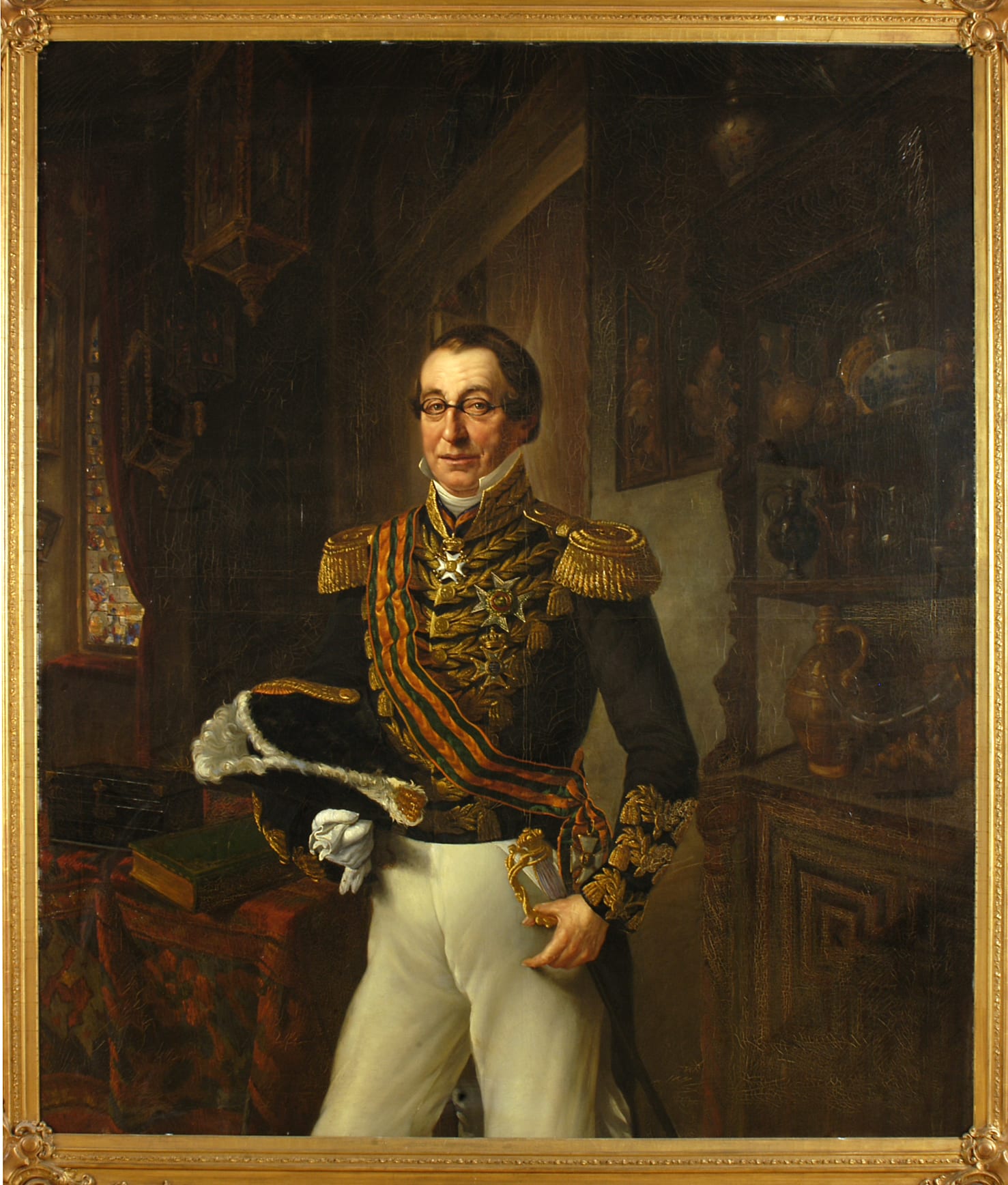
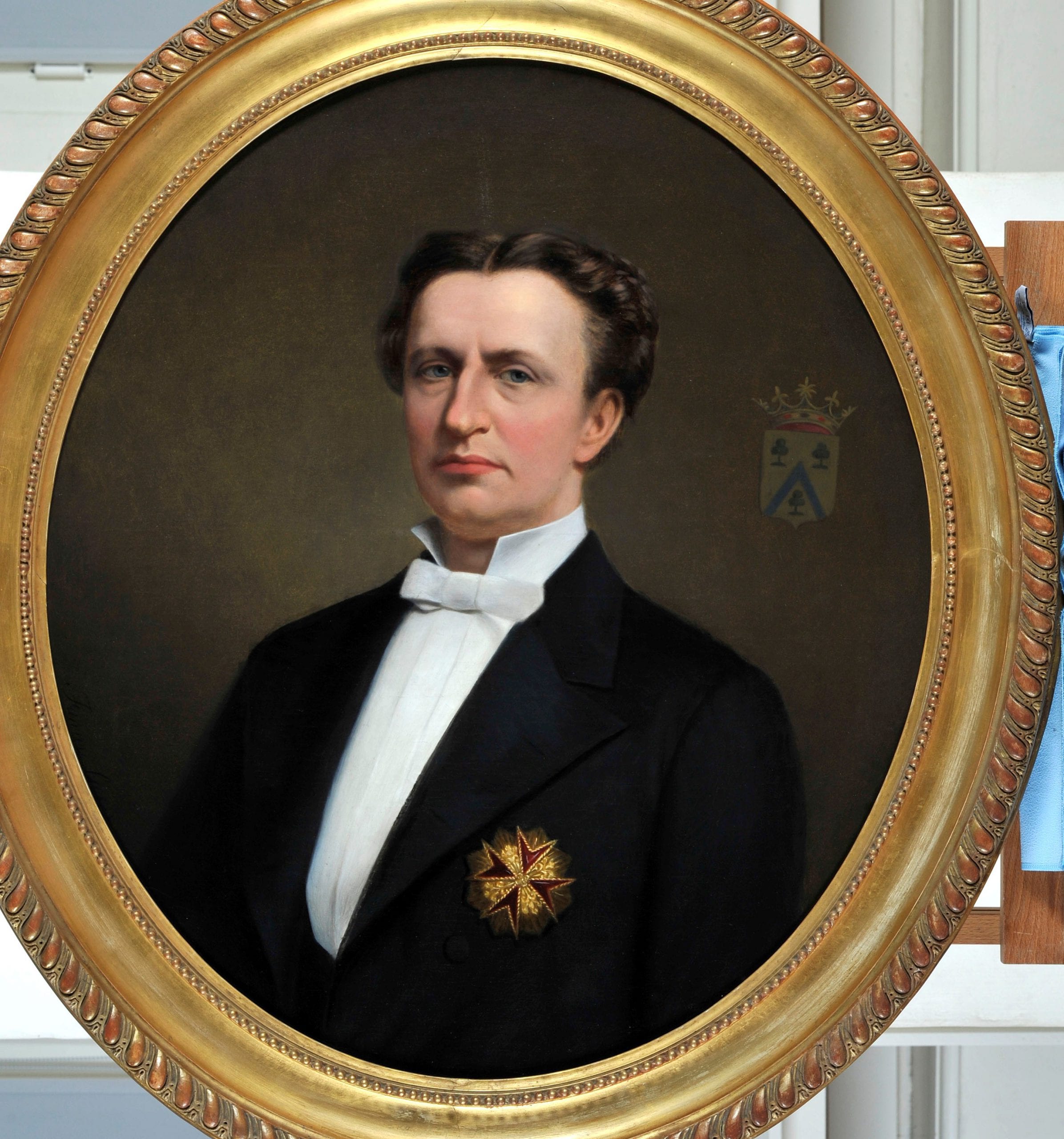
1800–1900In 1835, the Speelman family sold the castle to the King’s Governor in North Brabant, Baron André van den Bogaerde van Terbrugge. The wealthy baron and his sons restored it to a grand medieval castle, complete with a south wing, gallery, Armory, and Iron Tower, a throne from Heeswijk, and furnished with many art treasures and curiosities. The Musée de Bogaerde attracted many visitors. The youngest son died in 1895.
-
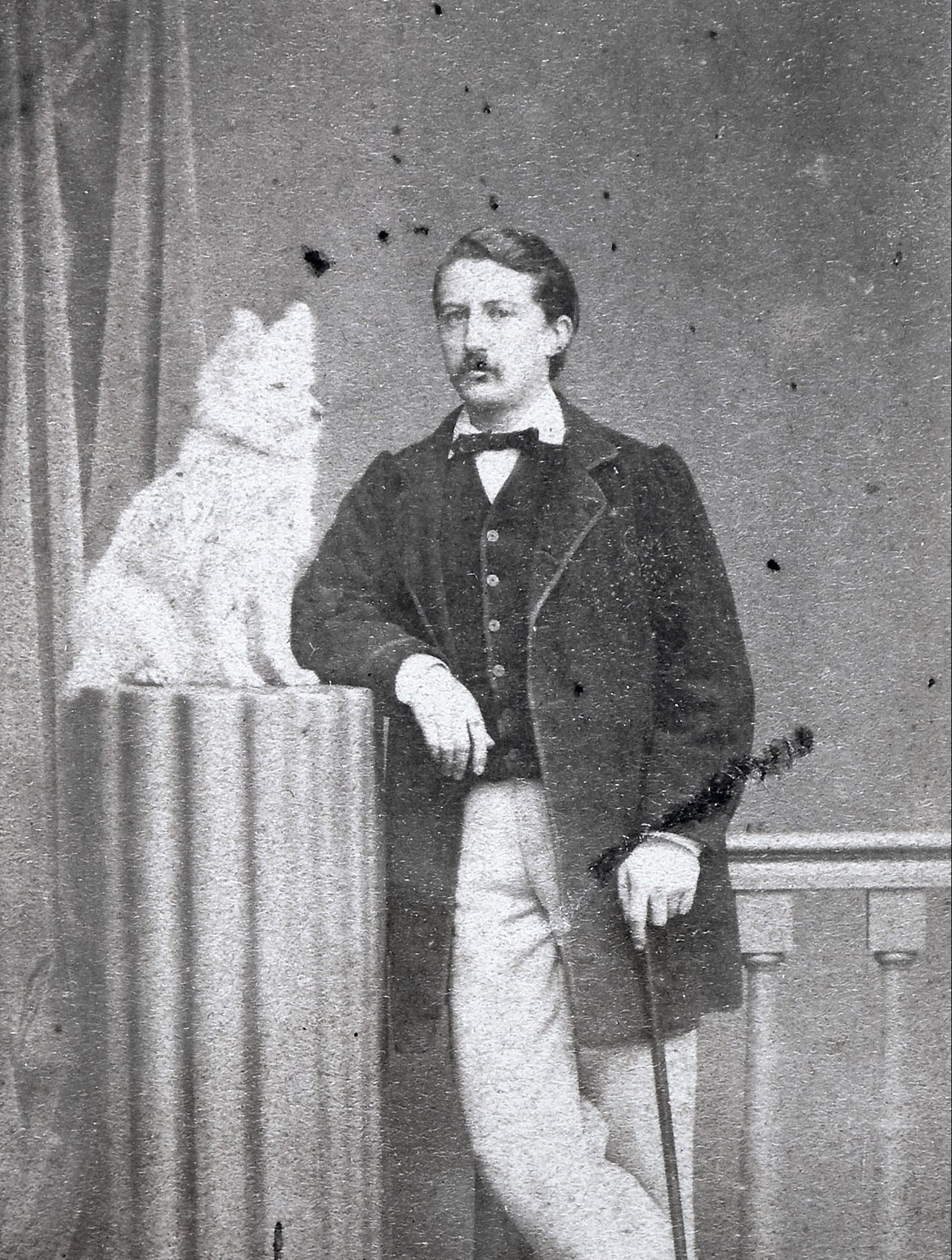
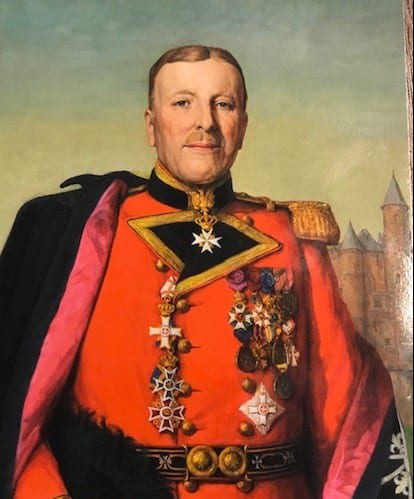
1900–2000The young Baron Willem inherits the castle, but according to his uncle’s will, he is not allowed to live there. Most of the valuable furnishings are sold for more than 600,000 guilders. The baron moves into the coach house. After his death, Baroness Albertine decides to turn the castle into a museum. Starting in 1995, the Kasteel Heeswijk Foundation restores the entire castle and opens it to the public.
-
2000–presentHeeswijk Castle is awarded the title “Castle of Brabant” and becomes a Top Monument of North Brabant. The estate and castle have evolved into a popular historic country retreat, carefully restored and situated in a beautiful nature reserve.
After the last baron
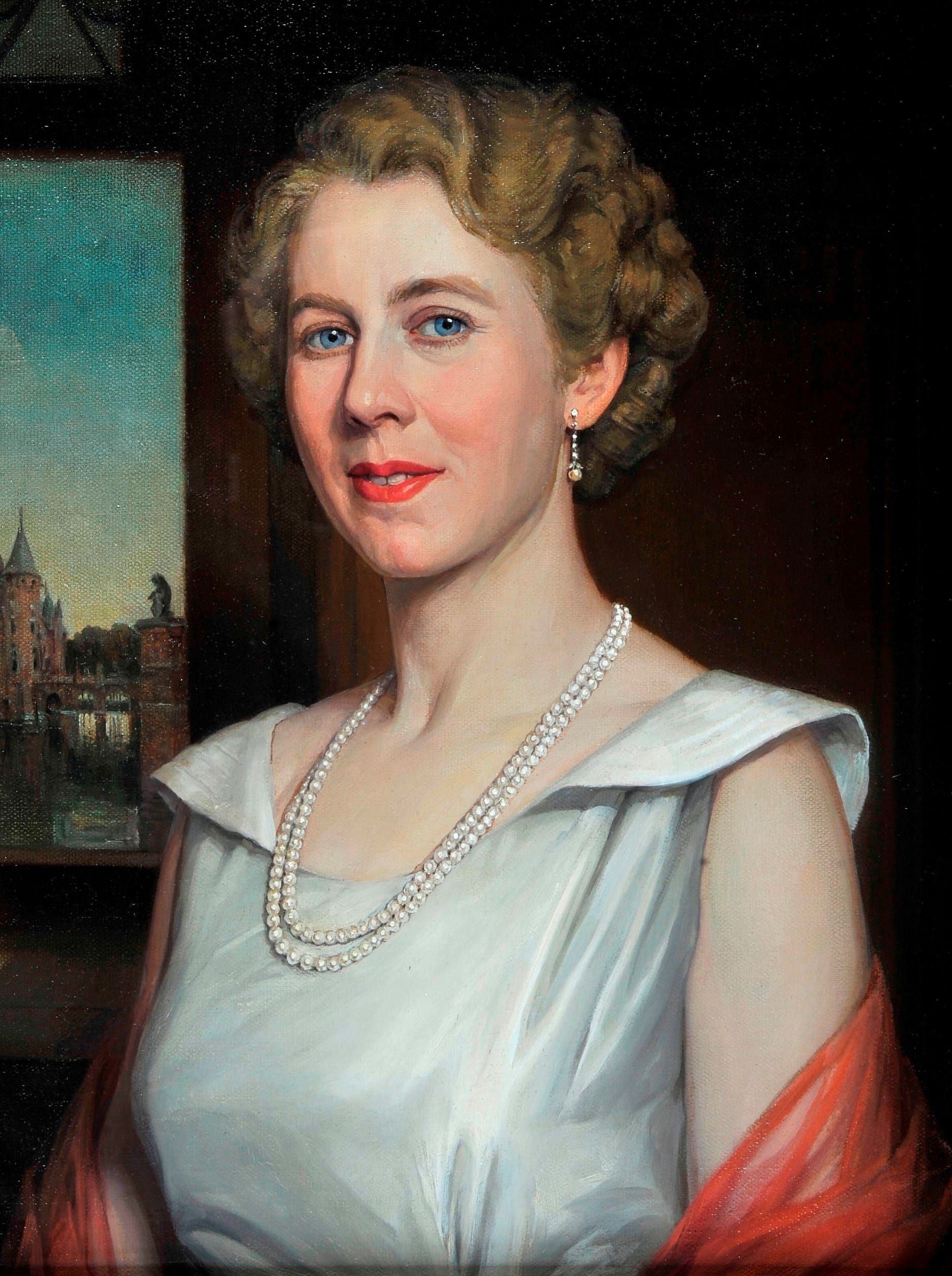
Following Baron Willem’s death in 1974, Baroness Albertine transferred the buildings, collection, and estate of Heeswijk Castle to a foundation. The explicit aim was to prevent the property from being divided up and to ensure that it would be opened to the public. The foundation assumed full ownership in 1983 and set to work immediately to open the castle as a museum. In 2000, the main castle reopened to the public and regained its function as a museum. The restoration of the gatehouse, coach house, iron tower, and armory was completed in 2005.
collected history
A visit to the castle offers a unique glimpse into the world of the Van den Bogaerde barons and all the treasures they collected.
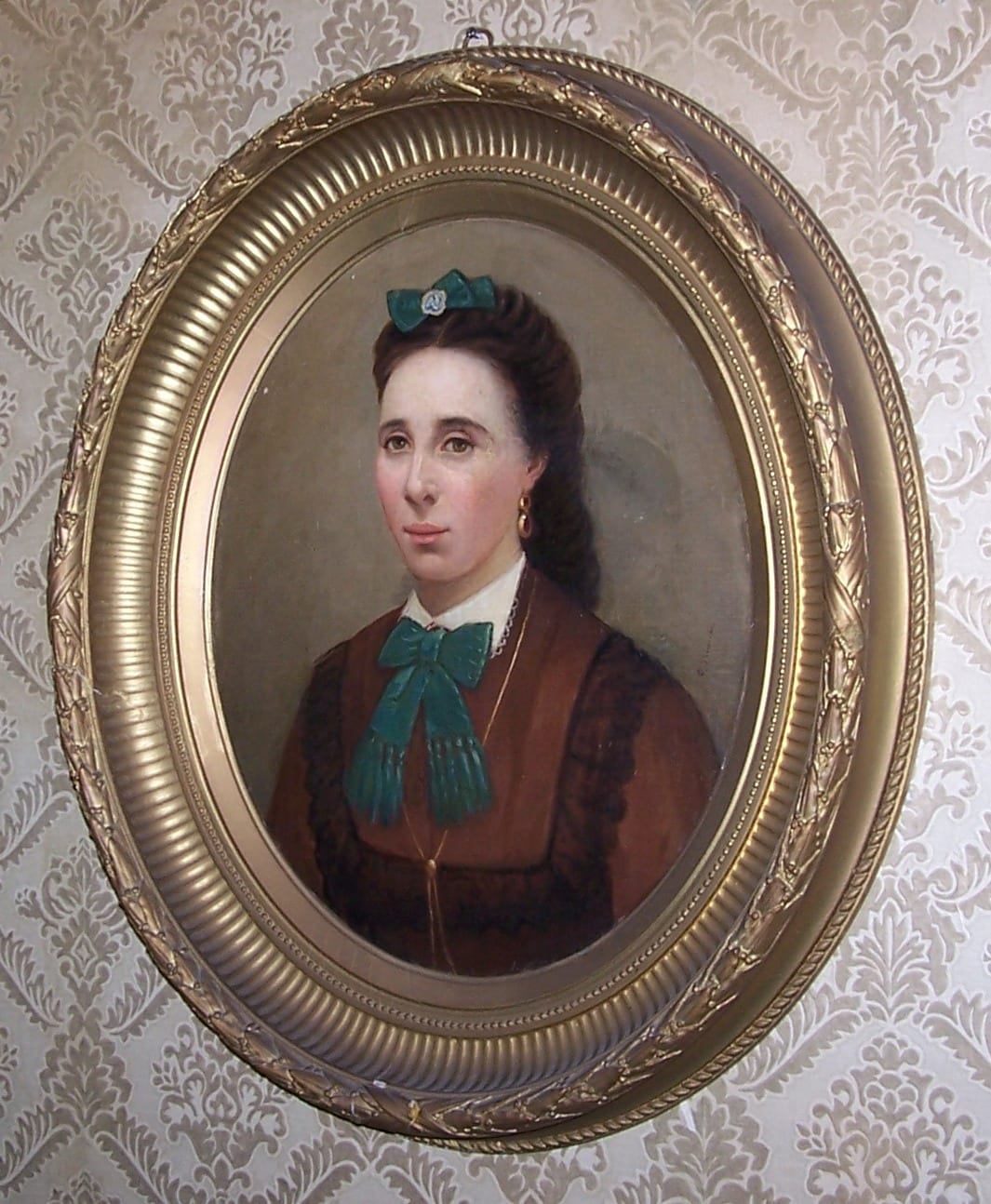
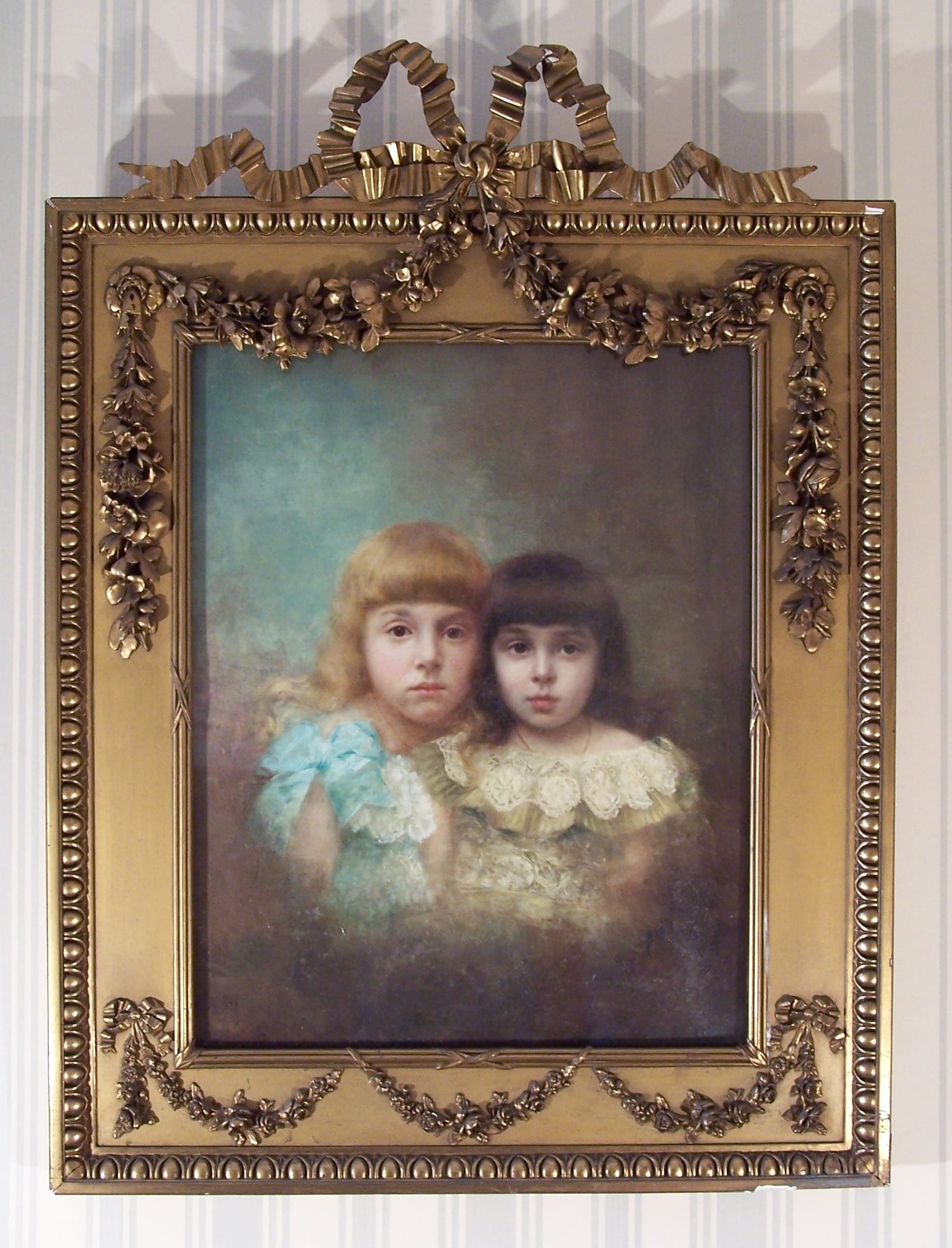
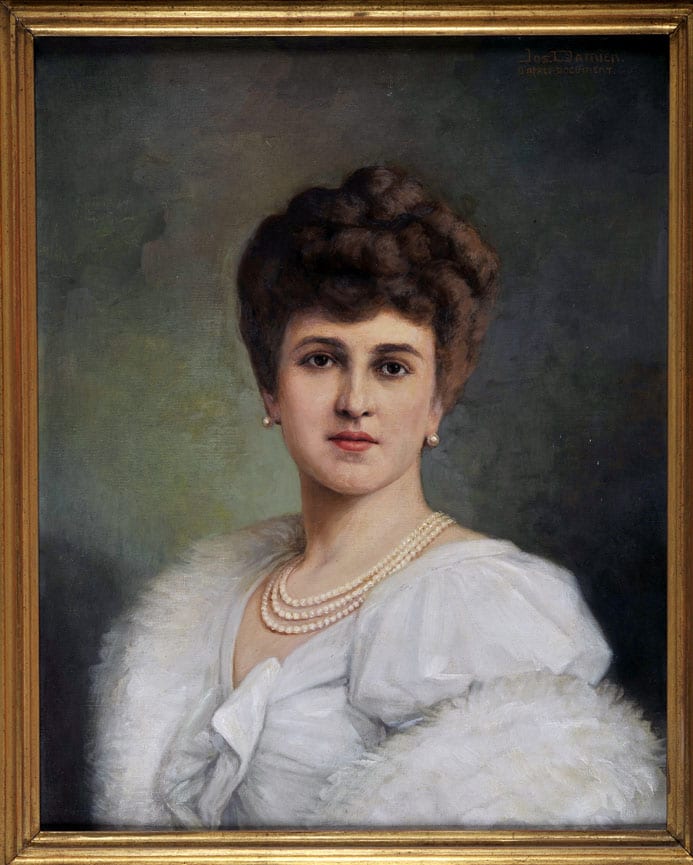
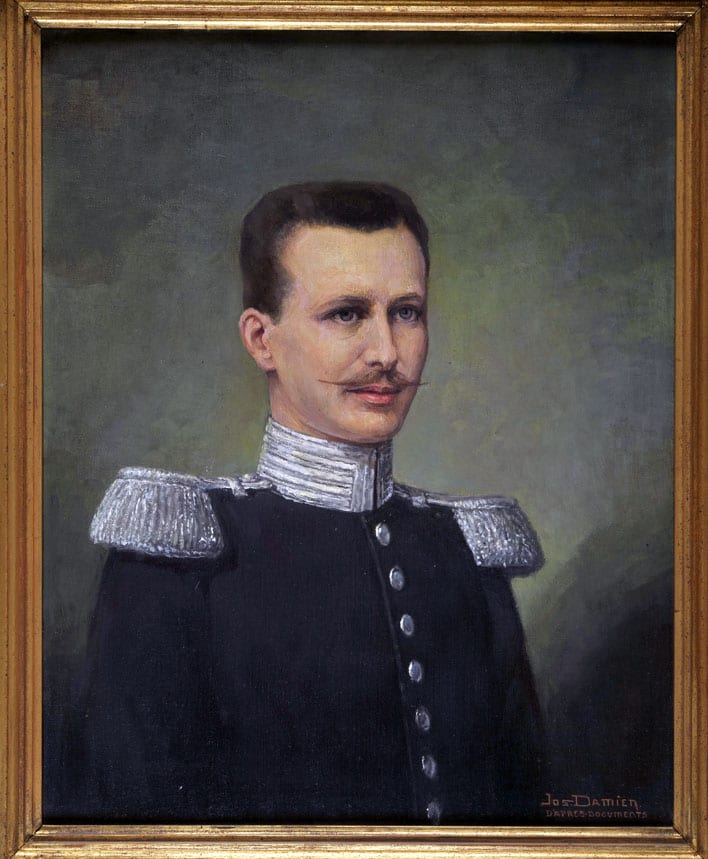
A peek into the portrait studio

what it's like
And there’s more to see and do in and around the castle. In the coach house, we now find Bij de Barones , a cozy museum café paying homage to Baroness Albertine, where every visitor can enjoy delicious, hearty treats.
There is a museum shop with the best souvenirs and gifts.
A walk through the area gives you a sense of the estate’s vastness and the unique natural beauty that can still be found there. All in all, it’s a colorful history that’s well worth experiencing.